




Description
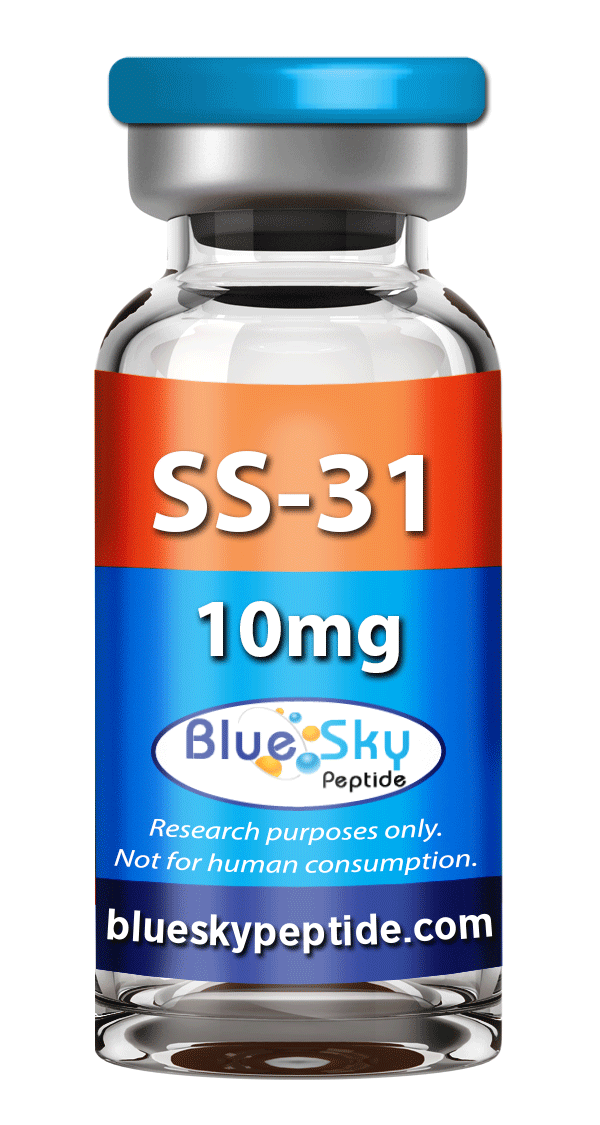
Buy Melanotan II 10mg :
| Unit Size | 10 mg/vial |
| Unit Quantity | 1 vial |
| Purity (Mass Spectrometry and UV) | 99.94% |
| Sequence | Ac-Nle-Asp-His-Arg-Trp-d-Phe-Lys-NH2 |
| Molecular Formula | C50H69N15O9 |
| Appearance | Lyophilized White Powder |
| Source | Chemical Synthesis |
| Storage | Lyophilized Melanotan II is stable at room Temperature for 90 days, however it is best to store in a freezer below – 8c for any extended period of time.. |
| Terms | The products we offer are intended for laboratory research use only. Please familiarize yourself with our terms of service prior to ordering. |
MELANOTAN II 10mg
View Research Overview & References
Melanotan II 10 mg is a synthetic analog of alpha-melanocyte-stimulating hormone (α-MSH), designed strictly for laboratory research. It functions as an agonist at melanocortin-3 and 4 receptors (MC3R and MC4R).1 These receptors, activated by peptides derived from the prohormone pro-opiomelanocortin (POMC), regulate a range of biological functions, including cardiovascular activity, energy balance, hunger, glucose metabolism, and sexual function.2,3,4,5 Research also indicates involvement in receptor signaling related to cachexia, substance use behavior, pain perception, and anxiety.2,3
Behavioral and Metabolic Research
In laboratory studies, MC4R knockout rats have shown increased food intake, weight gain, and fat accumulation. Brain administration of Melanotan II in these animal models had no impact on feeding behavior, confirming MC4R’s role in appetite-related signaling.6 Another experiment with neonatal prairie voles indicated that Melanotan II treatment affected social behavior markers, with males displaying reduced play-fighting and females developing altered adult partner-preference behavior.7
Glucose Regulation and Leptin Signaling
Studies on Melanotan II explore its potential relevance to glucose regulation research, particularly through the melanocortin and leptin signaling pathways. Research has shown that blocking MC3/4R receptors disrupts leptin’s glucose-lowering effects in animal models, underscoring the relevance of melanocortin signaling to metabolic research.8,9 However, using MC3/4R agonists alone did not fully reverse hyperglycemia markers in diabetic animal models, indicating that while melanocortin activation is associated with leptin’s actions, it is not sufficient on its own to account for glucose regulation in these models.10
Research Applications and Compliance
Melanotan II serves as a research compound in studies focused on metabolism, behavioral science, and sexual function signaling. Its interactions with melanocortin receptors provide insight into energy balance, cardiovascular signaling, and glucose metabolism research topics relevant to receptor pharmacology.
Important Notice
Melanotan II is intended exclusively for laboratory research purposes and is not approved for human use, diagnostics, or therapeutic applications. It is not for human or animal consumption. Any application outside of controlled research settings is prohibited, and these findings do not establish safety, efficacy, or suitability for any human or animal application.
References
1. Bahraman AG, Jamshidzadeh A, et al. α-MSH Triggers Melanogenesis Via Activation of the Aryl Hydrocarbon Receptor Pathway. Int J Toxicol. 2021;40(2):153-160.
2. Corander MP, Fenech M, Coll AP. Melanocortin Action and its Impact on Body Weight and Blood Pressure. Circulation. 2009;120(22):2260-8.
3. Tao YX. The Melanocortin-4 Receptor: Physiology and Pharmacology. Endocr Rev. 2010;31(4):506-43.
4. do Carmo JM, et al. Control of Metabolic and Cardiovascular Function by Leptin-Brain Melanocortin Pathway. IUBMB Life. 2013;65(8):692-8.
5. da Silva AA, et al. The Brain Melanocortin System and Sympathetic Control. Physiology (Bethesda). 2014;29(3):196-202.
6. Mul JD, et al. MC4R Deficiency Affects Body Weight Regulation and Behavior in Rats. Obesity (Silver Spring). 2012;20(3):612-21.
7. Barrett CE, et al. Neonatal MC Receptor Agonist Treatment Affects Play Behavior in Prairie Voles. Neuropharmacology. 2014;85:357-66.
8. Xu Y, et al. Central Control of Energy and Glucose Balance by the Melanocortin System. Ann N Y Acad Sci. 2011;1243:1-14.
9. Morton GJ, et al. Leptin and the CNS Control of Glucose Metabolism. Physiol Rev. 2011;91(2):389-411.
10. da Silva AA, et al. Melanocortin System Required for Leptin’s Antidiabetic Effects. Diabetes. 2009;58(8):1749-56.